The shimmer in aventurine comes from microscopic mineral inclusions—typically platy crystals like mica or hematite—aligned during metamorphic rock formation. When light hits these parallel platelets, reflection and scattering create the signature sparkle called aventurescence. Color variations depend on inclusion types: green (fuchsite mica), blue (dickite), or peachy hues (hematite).
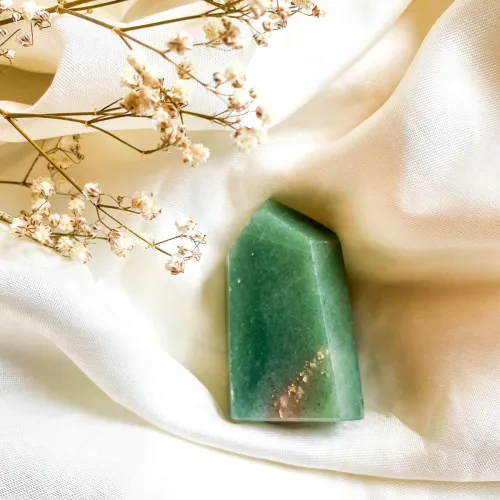
Picture this: You’re examining a beaded bracelet under a jewelry store’s bright lights, watching flecks dance across its surface. Suddenly, you wonder—what creates that glitter? If you’ve paused over aventurine’s sparkle while shopping, researching birthstones, or comparing gem materials, you’re not alone. Beyond that initial curiosity, you might also need to distinguish natural specimens from synthetics, understand why colors vary, or learn how to maintain that luminous effect. We’re dissecting these questions step by step.
1. How minerals trapped in quartz create aventurine’s signature glitter
2. Why different inclusions produce distinct colors and sparkle intensity
3. Tactics for evaluating aventurine quality through visual inspection
4. Geographic origins impacting glitter patterns
5. Lighting tricks to showcase aventurescence effectively
6. Protecting the stone’s sparkle during everyday use
7. Differentiating genuine aventurine from look-alike materials
Flat, plate-like crystals such as fuchsite mica or hematite align during quartz crystallization under intense geological pressure. This parallel orientation makes light bounce coherently across thousands of microscopic surfaces.
Imagine sunlight hitting sequins on fabric—when aligned, they flash simultaneously. Similarly, mineral inclusions measuring 0.05-1mm reflect light directionally. Tilt the stone 15-30 degrees, and you’ll see glitter intensity shift dramatically as angles change. Stones from India’s metamorphic schists, for instance, may show finer, uniform sparkles due to consistent pressure during formation. Synthetic versions, however, often display unnaturally identical flecks since manufacturing controls particle distribution mechanically.
Different minerals in aventurine’s quartz matrix produce signature colors and glitter textures. Green aventurine owes its appearance to chromium-rich fuchsite mica, while blue tones come from dumortierite or rutile inclusions.
Here’s what happens visually: Hematite platelets in peachy aventurine reflect warm metallic flashes. You might notice spangle size gradients—coarser flecks at the stone’s center versus finer edges, suggesting centrifugal crystal growth. In some Brazilian specimens, bolder flecks occur alongside subtle color desaturation near glitter clusters, where overlapping reflections scatter light wavelengths.
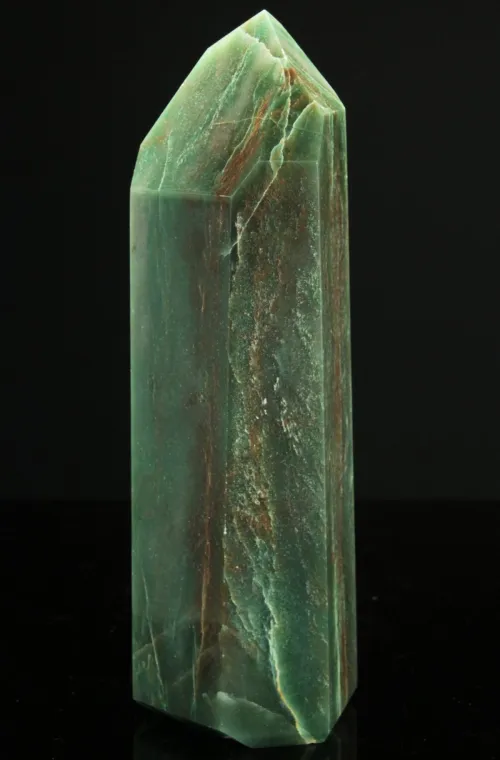
Effective evaluation combines rotation, magnification, and light testing to confirm authentic aventurescence and structural integrity.
The thing is, synthetic alternatives like goldstone often reveal themselves under scrutiny. Try rotating the piece: Genuine aventurine displays depth-rich glitter independent of surface films. Dead zones without sparkle could suggest filler resin in composites. Or breathe on the surface—natural quartz tends to show glitter reappearing organically as fog clears rather than abrupt synthetic patterns. When photographing specimens, diffuse daylight captures glitter subtleties better than harsh LEDs, which may exaggerate metallic uniformity.
Regional pressure differences during quartz crystallization yield distinct glitter "fingerprints." Indian formations tend toward fine sparkling mist, while Russian deposits produce varied fleck sizes.
Picture tectonic stress squeezing silica-rich solutions: In Tanzania’s high-compression zones, you get tightly clustered platelet alignments causing flash effects. Brazilian stones often feature visible, chunky hematite flecks because mineral saturation differs. Collectors might notice these specimens carry more translucent backgrounds compared to India’s opaque green types, subtly changing how sparkles pop visually.
Aventurescence changes character under sunlight versus artificial sources due to spectral composition and angle.
Outdoor settings showcase the schiller effect best—that’s when reflections from near-surface platelets scatter white light across facets. At some point, try dipping half a tumbled stone in water: The submerged section’s sparkle diminishes because quartz’s refractive index matches water, masking inclusions. Shadow testing also proves useful—higher-quality stones maintain diffuse glitter in shaded areas, revealing deep mineral integration rather than top-layer applications.
With 6.5-7 Mohs hardness, aventurine withstands light scratches but requires mindful handling to prevent abrasive wear on inclusion edges.
The glitter itself comes from crisp platelet borders reflecting light. Rough polishing or ultrasonic cleaners can gradually round these microscopic edges, muting sparkle intensity. Wax coatings temporarily enhance shine but disguise natural texture. That said, you can maintain brilliance by choosing protective bezel settings for rings and cleaning with mild soap. Well-cared-for specimens may retain their signature shimmer for decades as long as abrasive contact is minimized.
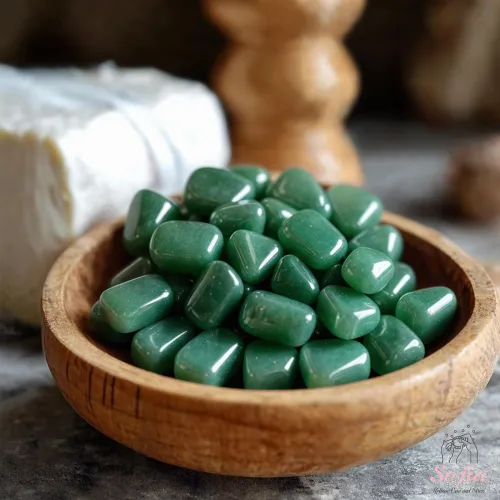
Keep three core principles front-of-mind when selecting aventurine pieces. First, assess glitter visibility in varied lighting—quality specimens show depth-rich sparkle even in shade or indoor settings. Second, inspect with magnification: Random mineral patterns confirm natural origins versus synthetic uniformity. Finally, prioritize pieces that fit your lifestyle; fine Indian shimmer works well for minimalist designs, while bold Brazilian flecks suit statement jewelry. Your personal context—whether collecting or daily wear—trumps rigid "rules."
Q: Why does aventurine look cloudy under artificial lights?
A: Some bulbs emphasize surface refraction more than inclusions, while inadequate polishing may leave micro-abrasions diffusing light instead of reflecting sharply.
Q: Can synthetic aventurine sparkle like natural stones?
A: While lab-created versions often exhibit brighter glitter, their uniformity lacks the organic spatial variation seen in geological specimens under magnification.
Q: What distinguishes Russian aventurine from Indian types?
A: Russian stones typically showcase varied fleck sizes mixed in opaque quartz, while classic Indian green aventurine tends toward finer, misty glitter in translucent material.


$
