Aventurine is a type of quartz characterized by shimmering mineral inclusions that cause its sparkling effect, forming over millennia in hydrothermal conditions and found in hues ranging from deep green to sky blue, with common deposits in regions like India and Chile and a hardness suitable for jewelry use despite variations in transparency.
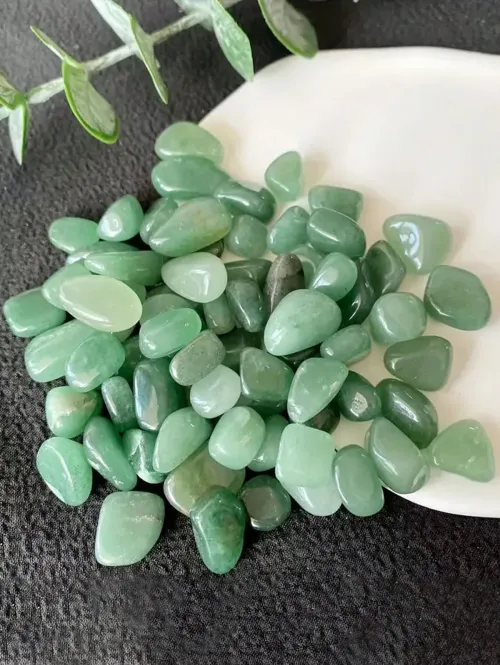
Ever stop at a jewelry display or browse an online crystal shop, suddenly curious about that sparkling green or blue stone called aventurine? If you've found yourself drawn to its unique glitter, you're not alone—this exploration usually sparks follow-up questions about its origins, authenticity, and cultural tales. In this guide, we'll tackle everything from how to spot genuine stones to the geological forces that shape aventurine's beauty, addressing common curiosities sparked by real-life moments like handling jewelry under store lights or weighing purchase decisions.
1. How did aventurine form geologically?
2. What historical myths and symbols are tied to aventurine?
3. How can you identify authentic aventurine versus imitations?
4. Why do mineral inclusions affect aventurine's appearance?
5. What drives the color variations in different specimens?
6. Is natural aventurine available in the United States?
7. How does wear over time change aventurine's sparkle?
Aventurine forms under hydrothermal conditions where quartz-rich rocks undergo slow alteration, embedding mineral platelets that create its distinctive shimmer over thousands of years as pressure and heat interact within Earth's crust.
This process results from specific geological conditions: silica-rich bedrock meets metal-bearing fluids in hydrothermal veins, crystallizing quartz with trapped minerals like fuchsite mica. Over time, shifts in temperature and pressure allow inclusions to evolve, influencing properties such as hardness (ranking 6.5–7 on the Mohs scale) and transparency. Variations can occur naturally, meaning a stone's formation period may affect its texture and purity.
Aventurine symbolizes luck and prosperity, used historically for carvings in Asia and seals in ancient Rome, reflecting cultural meanings tied to its earthy origins rather than metaphysical claims.
These narratives emerged as societies valued the stone for its natural sparkle and longevity—its Italian name "aventurine" stems from accidental discoveries in glassmaking. Artisans favored its workability, transforming it into artifacts that carried symbolic weight like protection or fortune. While different regions developed unique stories (such as Indian tales linking green hues to nature), these are cultural expressions grounded in observable traits like durability.
Distinguishing true aventurine involves simple observational checks that help avoid synthetics like "aventurine glass," starting with light and texture assessments to confirm natural mineral distributions.
Natural formations display consistent, subtle clues due to embedded inclusions. Begin by rotating the piece under varied lighting—both indoors and outdoors—to observe sparkle uniformity. Use these real-world steps for reliable identification:
Apply quick tests similar to how collectors examine stones in galleries or markets, noting how signals may shift with exposure.
Shimmer in aventurine comes from embedded platelets of minerals like fuchsite or dumortierite, reflecting light to produce sparkle that contributes to aesthetic appeal without guaranteed uniformity.
These inclusions determine visual outcomes—for instance, green hues derive from fuchsite mica, while blues trace to riebeckite. The density and arrangement of minerals can create variations under light, such as increased glitter in sunlight versus artificial settings. Natural distributions may involve slight imbalances, so when comparing specimens, look for "flow" patterns that signal organic formation rather than artificial enhancement.
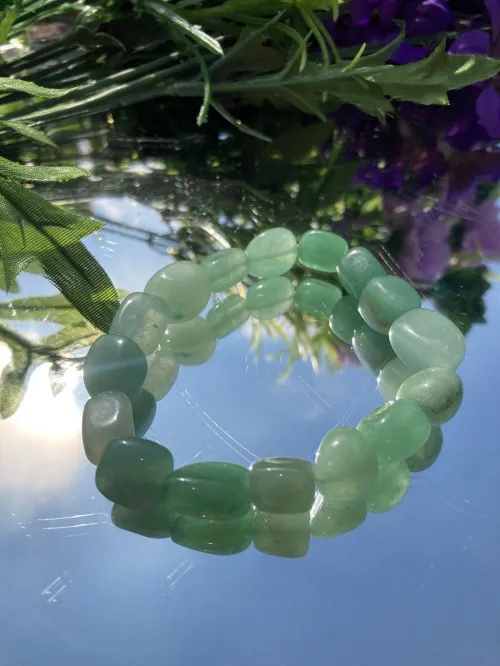
Colors shift from forest green to turquoise blue due to differing mineral compositions in each deposit, naturally affected by trace elements like chromium or iron embedded during formation.
Regional factors heavily influence this—stones from India, for example, often feature vibrant greens from abundant fuchsite, while Tanzanian sources may yield bluer tones from riebeckite inclusions. Variations can occur even within a sample, so inspect for subtle gradations. Natural hues may deepen or lighten depending on quartz purity, but artificial treatments can cause abrupt color zoning. Always compare under consistent lighting to spot authentic variations.
Focus on even glitter distribution and origin certification when selecting—these factors help match stones to your preferences while avoiding common pitfalls in jewelry or collectibles.
Recall the key pointers: Rotate pieces under store lights to check for uniform sparkle, request rough samples to examine natural crystal habits, and assess color shifts under UV to detect treatments. Choosing aventurine is about finding what works for you—whether it's a durable jewelry item or a collector's specimen. If you remember just one tip, let it be this: always compare multiple options under the same conditions to spot genuine traits versus enhanced or synthetic versions.
Why might my aventurine lose its sparkle over time?
Direct sun exposure and friction from everyday wear can gradually dull surface glitter, but polishing may restore shine for pieces like rings.
How to pronounce aventurine correctly?
It's typically said as "ah-ven-chur-een," mirroring its Italian roots tied to accidental discoveries in craftsmanship.
Does blue aventurine form differently from green?
Blue hues often involve riebeckite in quartz during cooling phases, while green relies on fuchsite availability over similar geological timelines.
Can tumbled stones hold the same value as raw specimens?
Tumbling can impact value depending on preserving inclusions; collectors generally prefer well-preserved sparkle patterns. When in doubt, inspect the surface consistency.


$
