Aventurine forms naturally through mineral-rich geological processes, displaying signature sparkle from metallic inclusions that differentiate it from synthetic alternatives, with India, China, Russia and Brazil being primary sources where you'll find distinct color variations like dominant greens to rare peaches influenced by local mineral interactions.
You're browsing an online jewelry store or examining a bead bracelet when a fleck of light catches that distinctive metallic shimmer — suddenly you're wondering why some aventurine pieces glow differently than others, or how to gauge quality without specialist tools. Between comparing prices, questioning origin claims, and doubting durability for daily wear, you'll likely end up asking: What makes Russian aventurine different from Brazilian stones? Can "peach aventurine" even be real? Does sunlight actually fade it? We'll unpack these practical curiosities step-by-step, using verifiable geology and hands-on testing cues like sparkle patterns under kitchen lighting or weight-to-size ratios that reveal synthetic shortcuts.
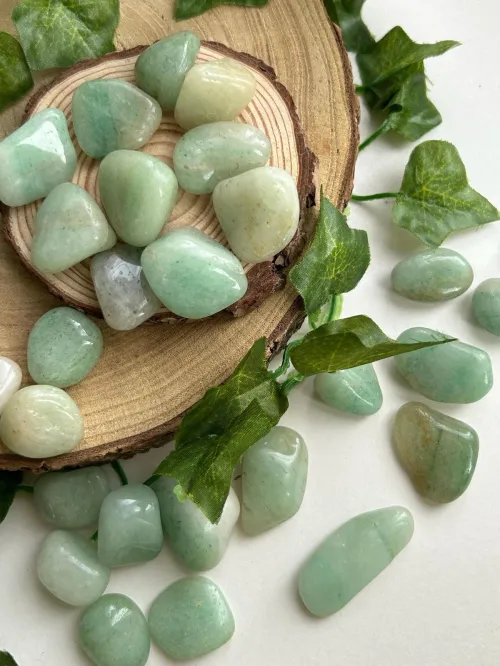
What geological processes create aventurine's signature sparkle?
How do you spot genuine natural stone versus glass imitations?
What differences appear between Indian, Russian and Brazilian sources?
Will daily wear damage or change aventurine jewelry over time?
Which attributes signal premium valuation for collectors?
Are there risks of color fading or treatments in commercial pieces?
Aventurine sparks from fuchsite mica or hematite particles trapped during quartz crystallization in metamorphic rock veins, resulting in that metallic "aventurescence" effect that's nearly impossible to perfectly replicate synthetically.
When silica-rich solutions flow through hydrothermal fractures in host rocks like schist over millennia, chance mineral interactions generate aventurine's magic. Tiny plate-like crystals align randomly within the quartz matrix — mica typically creating silvery-greens, hematite yielding reddish sparks. Under magnification, this yields uneven inclusion clusters absent in manufactured versions. The stone's 6.5-7 Mohs hardness means careful handling prevents deep scratches during daily jewelry use, though sudden impacts against harder surfaces can chip softer inclusions. At some point you'll notice genuine pieces retain coolness longer than plastic fakes when touched to skin, betraying their quartz density.
Geography directly shapes aventurine's appearance via localized mineral signatures — India's stones favor vivid chrome greens from fuchsite mica, while Russia produces rarer coppery varieties and Brazil leans toward deeper emerald tones with bolder sparkle.
Three factors let you gauge origin traits even without documentation. First, assess dominant hues: Indian material typically shows brighter grassy greens with high-concentration sparkle zones. Russian sources feature distinctive peach-to-bronze undertones mixed with forest green, while Chinese aventurine leans grayer or steely-blue. Brazilian samples often display dense, glittery patterns in saturated emerald. The thing is, cut quality influences perception too — highly polished cabochons maximize light play and may amplify regional color depth differences. Notice how Brazilian pieces frequently appear slightly darker indoors but "pop" dramatically in sunlight versus Indian material's steadier sparkle? That's local mineralogy interacting with light differently.
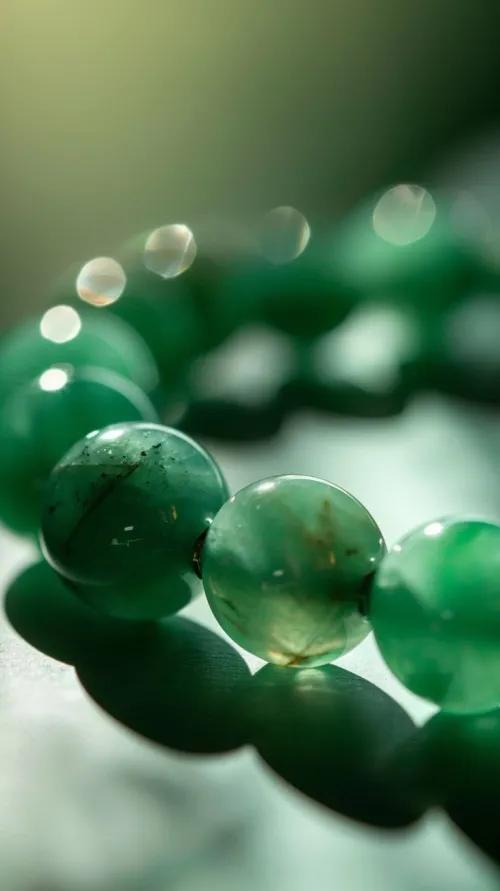
Authentic aventurine typically exhibits uneven inclusion patterns and shows minor color shifts under different lighting, while feeling cool and dense compared to warmer, lighter imitations.
When inspecting potential purchases, start with these observable differences:
Quick detection methods using everyday tools and lighting:
Natural aventurine jewelry typically withstands years of careful wear with minimal changes, though sun exposure may fade artificially treated stones while hard impacts could fracture inclusions.
The thing is, its solid quartz base holds up well against casual bumps, but remember two practical realities when wearing pieces. The Mohs rating (6.5-7) suggests you should avoid letting aventurine bang against harder materials like sapphire rings or stone countertops during routine activities. Long term, notice how high-fuchsite compositions can develop subtle texture changes where skin oils penetrate microscopic gaps overtime — not damaging, but altering reflection. That said, pieces from certain sources behave differently. Russian aventurine with hematite inclusions tends to maintain its integrity longer in rings, while Indian green aventurine keeps vividness in shaded display settings. For daily earrings or pendants? They're low-risk choices resisting most wear patterns.
Focus on translucency and inclusion uniqueness over size alone for premium valuation — semi-transparent stones revealing internal sparkle command significant premiums.
Paying more? Confirm what deserves it. Natural Brazilian aventurine with deep saturated colors and mica-rich clusters typically outvalues opaque green stones. Also note that minor inclusions actually boost authenticity confidence — they prove natural formation versus flawless glass simulants. You'll see online sellers use intense backlighting to make pieces look transparent; cross-check seller photos with real-world conditions first. Another pro tip: Request sourcing documents when buying pieces labeled Russian due to their regional rarity premium. Ultimately, compare multiple units side by side — consistent sparkle might indicate mass production, while natural variations signal uniqueness worth higher pricing if translucency coexists.
Remember three core principles: First, rotate stones under store lighting to expose artificial treatments — authentic aventurine's color shifts stay subtle. Second, prioritize documented sources when paying premiums. Lastly, minor inclusions shouldn't deter you — they often help confirm natural formation as an asset. Ultimately, match selections with your purpose: vibrant Indian greens for occasional wear statement pendants, durable Russian material for rings, and high-transparency Brazilian stones for collections. Trust observable clues over marketing claims, and you'll confidently navigate quality tiers.
Q: How often is green aventurine dyed?
A: Lower-quality commercial pieces may receive color enhancements — natural stones tend to show saturation variations across one piece.
Q: Can water damage aventurine?
A: Brief exposure causes no harm; prolonged soaking might seep into fracture lines but rarely affects stable stones.
Q: Why does aventurine look dull sometimes?
A: Uneven inclusion density can cause "dead zones" particularly in thick-cut slabs — polish levels also impact light return.
Q: How do Russian and Brazilian stones visually differ?
A: Look for coppery undertones in Russian material versus Brazil's deeper greens and bolder overall sparkle dispersion.


$
