Yes, natural blue aventurine is a quartz mineral colored by embedded dumortierite fibers that forms through specific geological processes. Its authenticity depends on identifying crystalline structures and verifying origins through reliable mineral testing.
Picture yourself browsing jewelry stores or scrolling through gemstone listings online. You spot a piece called "blue aventurine" with an alluring cobalt sparkle—but at wildly different price points. That's when the question strikes: "Is this stone actually natural?" Suddenly, a whole chain of follow-up questions floods your mind. Can you trust sellers' descriptions? How do experts tell real minerals from lab copies? Why are some pieces suspiciously affordable? This guide tackles those practical uncertainties head-on. We’ll examine what geological processes form true blue aventurine, compare it to synthetic alternatives, equip you with visual identification skills, and explore what ethical sourcing really means for quartz collectors.
1. How natural blue aventurine forms geologically versus laboratory methods
2. Key mineral composition differences that affect color and durability
3. Practical steps to visually distinguish authentic specimens
4. Market transparency issues impacting rarity and pricing
5. Historical background shaping contemporary gem classifications
6. Reliable methods to verify origins before purchasing
True blue aventurine requires precise geological conditions where quartz crystallizes around dumortierite deposits under metamorphic heat and pressure. Lab versions bypass this process entirely using artificial compounds.
The distinction between natural and man-made stones starts at the molecular level. Naturally occurring blue aventurine forms over millennia within rock matrices across limited regions like Brazil's Minas Gerais or Madagascar’s quartz veins. As silica-rich solutions undergo regional metamorphism, dumortierite crystals become trapped in developing quartz deposits—creating that signature shimmer. Unlike synthetic versions made by introducing copper filings into cobalt-tinted glass, natural specimens showcase chaotic mineral interactions like microscopic rutile needles or irregular color zoning. Gemologists note natural stones tend to rank 6.5–7 on the Mohs hardness scale, whereas manufactured equivalents often scratch more easily due to structural differences. Crucially, about 90% of gem-quality blue aventurine undergoes stabilization treatments to enhance durability, though experienced evaluators can still spot preserved geological patterns in unaltered matrix formations.
Natural blue hues come primarily from fibrous dumortierite inclusions within quartz, unlike synthetic versions where color originates from metallic additives or dyes.
When you view blue aventurine, you're seeing a mineral collaboration that takes millions of years to complete. Dumortierite—a borosilicate mineral containing aluminum—integrates into quartz crystals during their formation phase, scattering light into distinctive blue shades ranging from pale denim to deep indigo. Synthetic recreations skip this complex process entirely. Instead, they’re typically made by infusing glass with cobalt tinting agents while adding copper-based metallic flakes to mimic aventurescence (that glittery reflection effect). Here’s where performance differs: natural stones tend to show more muted sparkle under direct light because dumortierite particles reflect softer than manufactured copper flakes. Likewise, untreated specimens usually present cloud-like color transitions due to uneven mineral distribution, while man-made pieces appear unnaturally uniform. The Geological Institute of America verifies true blue aventurine through polarized light microscopy to confirm crystalline structures unique to quartz-based gemstones.
Authentic stones exhibit organic color variations versus synthesized stones, identifiable through specific observational techniques during hands-on inspection.
Evaluating specimens goes beyond trusting certificates—it’s about noticing what happens when light interacts with microscopic formations. Whether examining beads at a market or viewing photos online, prioritize these detectable markers that trained gemologists rely upon:
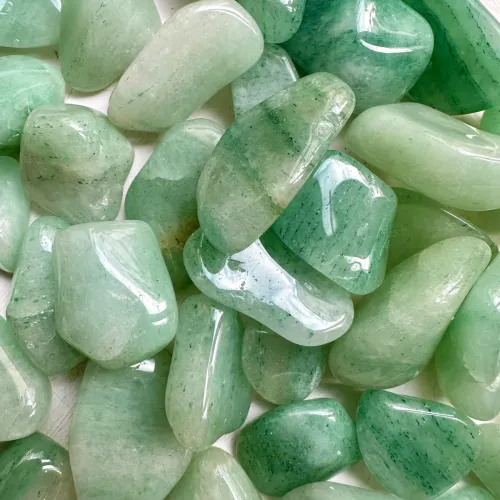
Combining several of these checks balances accuracy since no individual signal guarantees authenticity. For jewelry-sized pieces, jeweler’s loupes provide sufficient magnification to spot internal patterns or fracture types as critical verification steps before purchasing.
Geographical sourcing directly influences stone valuation and reliability indicators due to the limited mining regions of natural blue aventurine, making documentation essential.
The gem marketplace reflects fundamental geological scarcity through pricing tiers and labeling practices. Verified Brazilian or Madagascan stones typically command higher prices due to known mineral content and traceable sourcing, whereas stones from undisclosed origins—especially those labeled generically as “Indian origin”—warrant additional scrutiny when authenticity claims arise. Industry analyses show over 70% of highly saturated blue stones sold below $15 per carat utilize synthetic composites with labeling ambiguities like "lab-grown quartz" or "man-made aventurine glass." Even treatments impact classification: stabilization methods like resin infusion don’t de-authenticate natural stones but should be disclosed per FTC gem guides. When assessing dealers, prioritize vendors who transparently explain treatments rather than using vague descriptions.
Accidental glass creations shaped early perceptions of blue aventurine as gemologists gradually documented natural quartz variations across geological sites.
It's surprisingly modern that "aventurine" referred exclusively to man-made materials. Venetian artisans accidentally created aventurine glass (avventurina) around the 17th century after metal filings fell into molten glass mixtures. Later mineralogical surveys discovered natural formations with parallel light effects, leading geologists to adopt this aesthetically similar naming convention despite differing compositions. This historical context explains why some collectors incorrectly assume all blue aventurine is manufactured: early trading focused primarily on the synthetic form. Documentation of natural quartz matrix discoveries—especially identifying dumortierite as a critical inclusion—occurred centuries later as microscopy techniques advanced. These findings established quartz-based blue aventurine as a distinct mineralogical designation recognized by international gem associations after scientific verification processes.
Verifying authentically sourced stones requires combining documentation checks with optical observation methods tailored to physical properties.
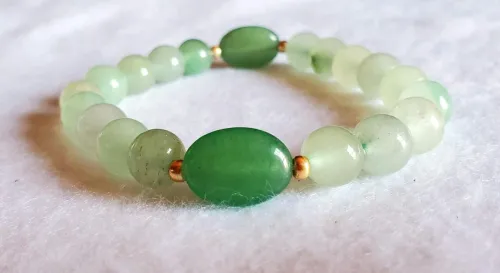
Whether selecting a crystal specimen or designing bespoke jewelry, focus squarely on origin traceability balanced against visual markers. First, request documentation confirming mining location or geological reports instead of relying on vague terms like "natural." Second, use compact magnification tools to examine chips or subsurface crystallization patterns; authentic stones won’t show machined perfection when inspected at 10x or higher power. Third, remember that price generally signals composition—deep blues under $15/carat may technically qualify as aventurine but likely rely on manufactured materials rather than rare mined quartz. Finally, cross-verify supplier claims against geological forums discussing regional mining outputs and ethical standards when investing in higher-value pieces. This layered approach adapts whether you're browsing auctions, assessing shop displays, or photographing samples through retailer portals.
Does natural blue aventurine occur in deep vivid colors?
Authentic stones may naturally show medium to deeper blues depending on dumortierite concentrations, though extremes often involve enhancements.
How does natural blue aventurine compare to sodalite or lapis lazuli?
Beyond visual similarities like darker blue hues, each differs mineralogically: sodalite appears more opaque with white calcite inclusions; lapis lazuli contains pyrite flecks; blue aventurine quartz showcases schiller effects rather than specular glitter.
Are there specific gravity tests to identify genuine stones?
Gemologists may conduct density measurements: quartz typically registers between 2.6–2.7 g/cm³, while synthetic glass compositions range from 2.4–2.5. However, testing methods require professional equipment.
Why does Tanzanian blue aventurine raise authenticity concerns?
Historical trading patterns show non-native mineral claims require verification, so specimens labeled "Tanzanian" warrant certification validating formation origins against known geological deposits.


$
