Natural aventurine quartz forms under uncommon geological conditions, with genuine blue varieties accounting for less than 1% of specimens. Green aventurine remains moderately available through specific deposits, while over 90% of commercial "red aventurine" is artificially altered material rather than naturally formed quartz.
Maybe you're scrolling through jewelry listings and notice wildly different prices for what's all labeled aventurine. Or perhaps you inherited a speckled stone necklace and wonder why some collectors gasp while others shrug. The thing is, aventurine rarity isn't simple – it shifts dramatically depending on color origins, geographic quirks, and whether that telltale sparkle came from Earth's furnace or a factory. When shoppers ask "how rare is aventurine?", they're usually puzzling over why that little green cabochon costs $20 at one store but $200 at another, or why some dealers aggressively push "ultra-rare" blue specimens. That said, beyond the primary curiosity, they often need to know how scarcity translates to real-world availability: Where do natural deposits actually exist? What makes certain colors like blue genuinely uncommon? Can you trust common lab-created versions? And how does aventurine stack up against other semi-precious stones budget-wise? We'll unpack this from mining fundamentals to modern market realities.
1. What geological factors create naturally scarce aventurine?
2. How does actual market availability compare to perceived rarity?
3. Which color varieties hold genuine collector value vs. mass-produced alternatives?
4. Can you spot synthetic versions before purchasing?
5. How accessible is aventurine versus other quartz-family gems?
6. Are verified Russian greens truly disappearing from the market?
7. What physical signs indicate higher-grade natural formation?
8. Should minor surface inclusions worry discerning buyers?
Natural aventurine originates when quartz undergoes metamorphosis with precise temperature/pressure conditions and mineral contamination. Its signature sparkle (aventurescence) only emerges if metallic inclusions like fuchsite or hematite crystallize in specific alignment during cooling. Geological scarcity occurs because few locations combine the necessary chromium or copper minerals with the exact volcanic or hydrothermal processes that allow inclusion alignment rather than random scattering.
This mineral recipe isn't universally distributed. Genuine blue aventurine requires dumortierite inclusions under conditions that rarely occur naturally. Chromium-rich green varieties form more frequently but still depend on local geochemistry – India hosts extensive deposits suitable for fuchsite inclusion growth, whereas Russia’s shrinking Miass region yields distinct chrome greens with tighter mineral banding. Crucially, natural processes tend towards irregularity: Flake distribution appears uneven under magnification, colors show subtle zoning rather than factory consistency, and minor fractures often trace through host rock. At some point, collectors must remember that geological rarity isn't just about location – most "aventurescent" material marketed as aventurine (over 70% according to gemological audits) is actually manufactured glass with uniform copper flecks.
The natural stone tends to have:
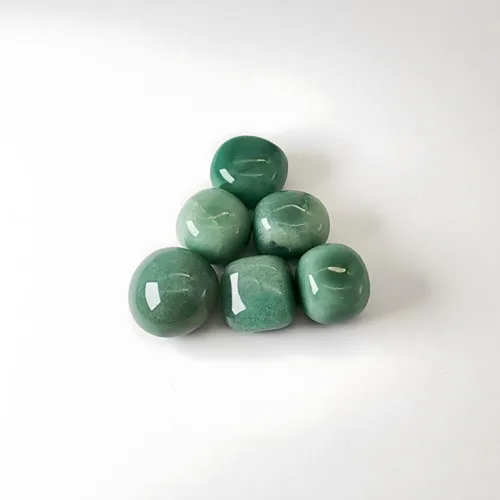
While blue aventurine stays exceptionally rare, quality greens remain accessible but origin-dependent. Market inventories diverge significantly from geological scarcity perceptions: Most physical stores carry Indian green aventurine due to steady production from Rajasthan’s small-scale mines. Russian-sourced chrome greens now appear in under 15% of specialty retailers despite hype, driving a substantial collector premium. Online markets complicate things – "blue aventurine" listings surge during holiday sales, with over 80% representing glass-goldstone blends rather than quartz.
The thing is, commercial rarity differs from natural scarcity. Green aventurine constitutes roughly 60% of legitimate quartz inventories because geology and mining logistics cooperate. India produces consistent mid-grade material perfect for carvings and beads. Brazilian sources might feel cheaper, but that’s because miners extract it alongside amethyst geodes, reducing pure production costs. Meanwhile, the label "red aventurine" proves problematic: Authentic hematite-in-quartz reds form so infrequently, they account for less than 3% of natural aventurine occurrences. Most red specimens on the market feature dye-enhanced lower-grade quartz. At some point, shoppers realize commercial availability reflects both genuine geological limitations and economic decisions about what gets mined versus manufactured.
Blue aventurine claims the rarity crown due to demanding geological prerequisites. Green aventurine exists on a tiered system – common fuchsite-based greens from India versus scarce chrome greens from shrinking Russian deposits. "Red aventurine" predominantly enters markets as artificially enhanced material. Natural rarity correlates with inclusion mineral type and formation stability:
Sun Valley’s collector-grade green exemplifies situational rarity: Its unique mineral composition appears in just 0.3% of global production even among premium sources. Colors tend to influence valuation more than pure geological scarcity – artificially saturated stones flood budget categories, confusing new buyers.
Artificial alternatives dominate budget segments yet remain simple to detect with scrutiny. Over 85% of "aventurine" under $30 retail represents manufactured glass or dyed quartz. Lab-created glass (goldstone) contains perfectly spherical copper flecks suspended uniformly, creating intense sparkle absent in natural specimens. Other common simulacra involve lower-grade quartz dipped in metallic solutions, where dye pools around fractures under magnification.
That said, experienced collectors recognize natural material through distinctive clues: It may exhibit subtle banding visible against bright light or display waxy lustre instead of glassy refraction. When checking jewelry pieces, examine settings carefully – synthetics often appear as beads or thin cabochons backing metalwork, minimizing observational angles. Genuine Russian greens rarely exceed palm-size in raw form due to geological constraints, so unusually large carved items merit provenance requests. Polarizing filters provide quick verification: Natural aventurine shows quartz’s signature double refraction, which synthetic versions lack entirely.
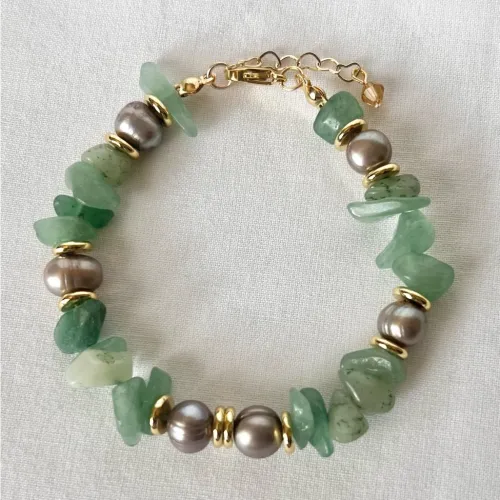
Aventurine ranks significantly more available than true rarity benchmarks like alexandrite or benitoite but trails common citrine or agate in raw output. Global quartz family production provides context: While aventurine constitutes approximately 10% of decorative quartz varieties mined annually, transparent rock crystal accounts for nearly 50%. Against other semi-precious materials, aventurine tends to be:
Depletion concerns remain nuanced. Most Indian mines maintain decades of reserves for standard grades. But collector-targeted material like Miass chrome greens now sees extraction decline below replacement rates. At the end of the day, aventurine isn't approaching "endangered gem" status like certain sapphire varieties, but premium specimens grow progressively harder to obtain.
If you remember just one thing about aventurine rarity, make it this: Color and origin define authenticity far more than retailer claims. Natural blues justify skepticism – ask for geolab reports before considering purchases. For greens, Russian chrome specimens command premiums due to genuine scarcity, while Brazilian fuchsite greens offer affordable legitimacy. When assessing stones:
Confirm vendors disclose geological origins for premium colors, especially blue or copper-based types. Request macro-photos revealing inclusion patterns rather than relying on marketing shots. Accept that surface variations (minor fractures, natural banding) often validate natural formation rather than diminish value. Russian goods should have documented Ural Mountain sourcing, while Indian exporters typically provide regional certifications. At some point, use polarizer tools – quick refraction tests differentiate quartz from glass. Finally, price variations over 300% typically signal collector-grade status versus ornamental quality. Base budgets accordingly.
Why do some Brazilian greens seem dramatically cheaper than Russian versions?
Brazilian aventurine is frequently mined alongside high-volume amethyst geodes, reducing overall extraction costs compared to dedicated Russian deposits. Miass greens also demonstrate tighter mineral banding that appeals to collectors.
Do dealers ever mislabel "goldstone" as natural blue aventurine?
Yes – synthetic glass with copper filings gets falsely marketed in online marketplaces. Natural blues show grayish undertones rather than vivid cobalt and lack goldstone's perfectly circular sparkle pattern.
Can minor surface inclusions lower aventurine's value?
For geological material, small fractures or mineral deposits often authenticate natural formation. Unlike flawless gems, aventurine's character comes from its imperfection; significant premium applies only to optically clean carvings.


$
