Aventurine falls in the budget-friendly range for semi-precious stones, typically costing $1 to $50 per piece. This affordable pricing stems from its quartz base and abundant global supply, though rare colors like blue or material quality variations may push pieces toward the upper price bracket. For those considering jewelry or mineral specimens, understanding key factors like origin, visual markers, and market patterns helps navigate actual value relative to cost.
That slight panic when you find a beautiful "aventurine" necklace at a flea market – is it fairly priced, or could it be cheap glass? Or maybe you're browsing online shops and notice wildly different price tags for seemingly similar stones. It’s one of those moments where your finger hovers over "Add to Cart" while nagging questions pile up: Why does this vibrant green piece cost $15 while another tiny speckled one is $45? Are sellers inflating prices for stones labeled with metaphysical properties? Does less glitter mean fake material? We’re tackling these real-life curiosities head-on. This guide breaks down cost drivers from the ground up – from geological quirks to market fluctuations – and arms you with visual verification skills to avoid overpayment.
1. What price range should you realistically expect for different aventurine types?
2. How do geological traits like mineral inclusions and color formation impact its value?
3. How does aventurine stack up price-wise against similar stones like jade or turquoise?
4. What signals help confirm you're getting genuine material at fair market value?
5. Can market trends or scarcity fears artificially inflate costs over time?
6. Where’s the smartest place to buy without sacrificing authentic quality?
7. What visible red flags hint at lower-grade specimens?
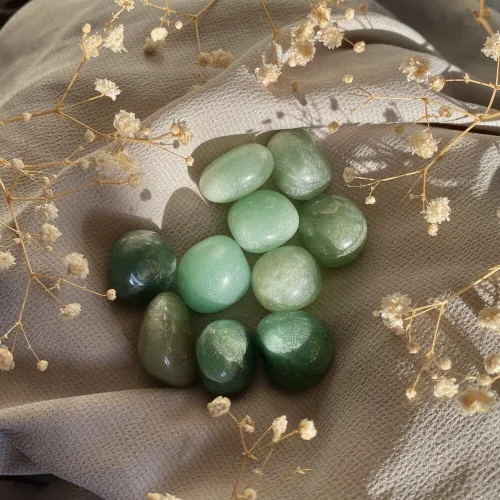
You’ll commonly find small tumbled stones between $1-$10, palm-sized raw chunks at $10-$25, and polished jewelry pieces from $20-$50. This puts it firmly in accessible territory compared to pricier minerals. The wide brackets exist because aventurine isn’t one fixed thing – its quartz base gets blended with feldspar or mica inclusions that create its signature sparkle (schiller effect). Density of these sparkly flecks and color saturation can nudge prices toward the higher end. Pieces with weak schiller or visible cracks tend to lean toward the dollar end of the spectrum. On the flip side, museum-grade specimens with complex patterns run into the hundreds, but regular buyers won’t encounter those in average shops.
Market realities drive this accessibility. India and Russia export massive volumes of green aventurine, keeping baseline prices low through supply abundance. As a quartz variant with moderate hardness (6.5-7 Mohs), it also withstands handling better than softer stones, reducing processing costs. Premiums only kick in when buyers chase rare traits – like consistent cobalt-blue shades from Chile or intricate dendritic patterns. Crucially, certification isn’t common outside high-tier auctions since verification expenses would eclipse typical retail costs. For comparison, consider that jadeite or turquoise might start around $60 per carat while aventurine’s per-carat prices stay under $5. That doesn’t mean zero quality variation though: overly polished surfaces can dull its natural glitter, and artificial dyed versions masquerade as genuine material.
Natural processes introduce value variables – high-quality aventurine requires specific mineral impurities and slow crystallization. Costs reflect those geological lottery tickets rather than arbitrary markup. Price fluctuations trace back to three rock-born factors: inclusion composition, color development, and harvest complexity.
First, authentic glimmer comes only from mineral flecks like fuchsite or hematite naturally trapped in quartz during formation. Synthetic versions skip that million-year process – hence the lower price – but also lose visual depth. Second, green hues dominate because chromium-rich fuchsite is relatively common. Finding manganese-rich stones that manifest true blue or copper-laced reds? Far harder and pricier. Third, extraction zones matter: Indian mines produce reliable volumes at lower operational costs than remote Andes locations. When sellers cite "Russian" or "Tibetan" origins without evidence, suspect markup theater unless distinct traits back claims. Keep in mind sellers sometimes heat-treat lower-grade green stones to deepen hue – this can create unnatural saturation but lacks the subtle shifts of naturally vivid material when tilted in sunlight.
Price-wise, aventurine consistently sits below comparable minerals – turquoise averages $95 per carat retail while aventurine stays under $5. But market position isn’t just about digits. Affordability gives it massive functional appeal over higher-tier stones for daily-wear jewelry. Unlike softer turquoise (5-6 Mohs), aventurine doesn’t micro-scratch easily against coins or keys. It won’t mimic high-carat gemstone luxury and shouldn’t be marketed that way. However, well-executed cabochons using intact rough material can become statement pieces. Where collectors lose out is buying dyed howlite misrepresented as "blue aventurine" – this faux version holds zero intrinsic worth. True value retention applies only to verified natural stones with strong identifying markers. In short: aventurine dominates the budget-friendly practical segment while semi-translucent jadeite caters to the fine-gem crowd willing to pay premiums.
Authenticity directly guards your budget – imitations cost less to produce but may sell near genuine stone rates. Real fuchsite-flecked aventurine exhibits subtle internal complexity rather than uniform perfection. That slight natural messiness equals value protection.
Apply these field observations before committing:
Market movement exists but isn’t driven by actual resource scarcity. Aventurine’s quartz foundation is abundantly available. Pricing shifts typically follow consumer trends or seasonal fashion cycles rather than mineral depletion. If metaphysical circles suddenly hype "prosperity stones," Etsy prices temporarily surge. Similarly, European designers pushing aventurine in summer jewelry collections may briefly lift wholesale values until supply catches up. Longer term, inflation adjusted pricing stays relatively flat globally except for premium-grade Indian greens with high translucency – their export volumes dipped due to environmental mining caps. For investors wanting "exclusive" blue aventurine, beware vendor tales invoking mythical Chilean shortages; verified deposits continue producing. When sellers claim imminent extraction halts, request documented geological reports. Most scarcity claims evaporate under scrutiny.
Navigating quality-versus-price starts with targeting specialized sellers instead of impulse-buy environments. Gem-focused mineral shows often feature lapidary artists selling direct without boutique markups. Online rockhound forums offer genuine collectors downsizing raw specimens at fair rates compared to metaphysical shop premiums. For jewelry, local customization frequently beats pre-made pricing – buying an uncut stone ($10-$25) then employing a lapidary for polish/setting ($15-$40 labor) nets better results than mall stores charging $85+ for mass production. Always compare quotes across platforms: that "rare" $35 ebay piece might sit unpurchased at $18 on specialty sites. And apply a last-step authenticity checklist before checkout: inconsistent descriptions about origin or treatment often signal exaggerated pricing.
Visually spotting bargain-bin aventurine saves you post-purchase regrets. The most frequent issues stem from substandard sourcing or hurried processing. First, blotchy uneven coloration hints at uneven dye jobs on cheap quartz. Second, excessive flake density creates murkiness versus beautiful schiller – it’s often filler material added to otherwise weak stones. Third, unnatural neon greens rarely occur organically and suggest chemical baths. Finally, uniform sparkle distribution across surfaces often exposes glass imitation since natural mineral flecks cluster irregularly. With raw specimens, chalky surfaces indicate long sun exposure deterioration. Price alone won’t scream scam – some artificially enhanced stones carry inflated tags because sellers prey on untrained eyes. Arm yourself with those light tilting and heft comparison tests before swiping cards.
Navigating aventurine purchases boils down to pairing sensible priorities with visual verification. Three principles cover almost every scenario: First, target pieces where you can actively observe the schiller effect through movement, not just surface glitter. That spark dance is impossible to fully fake. Second, match your budget to primary use – a collector may invest $50 in museum-grade Indian green with documented provenance whereas a $3 tumbler suits crystal-grid beginners fine. Finally, lean toward sellers who describe geological traits first and "spiritual properties" second or not at all; detail-focused vendors typically price fairly over chasing energy-trend markups. Whether you purchase for aesthetics or mineral appreciation, aventurine offers accessible entry without the heart-pounding price tags of higher-tier stones.
Q: Are raw rocks cheaper than finished jewelry?
Typically yes – uncut aventurine hasn’t absorbed processing costs like sawing, shaping, and polishing. But large jewelry brands buy materials wholesale, occasionally pricing finished pieces just modestly above raw. For individuals, though, stones direct from lapidary suppliers tend to save money then allow custom work.
Q: Do synthetics hold any collectible value?
Lab-created glass aventurine remains affordable decoration rather than investment pieces. Its resale value stays close to zero because natural alternatives already offer budget accessibility. However, artisanal uses like fused-glass pendants still appreciate visually – just differentiate them from mineral specimens.
Q: How dramatically does size increase the price?
Beyond palm-sized pieces (~4 inches), exponential cost jumps happen because finding flaw-free large formations proves rare. But small size differences (under 2 inches) show fractional price increases. Prioritize quality characteristics over minor dimensional gains unless display impact matters.


$
