Aventurine is typically light to forest green due to fuchsite mica, though it comes in diverse shades: blue versions contain dumortierite, orange/brown varieties feature hematite particles, with authentic stones showing uneven color patterns and natural streaks.
You're staring at a "green aventurine" bracelet online, or maybe comparing geological specimens at a shop – suddenly that straightforward color description feels inadequate. Is yours more olive or emerald? Why does that necklace look blueish in some photos? And what about those claims about peach or red varieties? Beyond the initial question, most people wonder about color variation origins, authenticity checks, lighting effects, and rare hues. We'll explore all these dimensions through practical observation points and geological insights.
1. What creates aventurine's different color possibilities?
2. How quartz and minerals interact to produce specific shades
3. Key identifiers that distinguish natural aventurine from imitations
4. Rare color variations worth understanding
5. Why lighting conditions dramatically shift color perception
6. Practical field testing methods anyone can apply
Colors emerge from mineral inclusions within quartz bases, where crystal clarity and sunlight interaction create unique optical effects across different hues.
The base quartz matrix acts like a clear canvas while embedded minerals dictate the color. Fuchsite mica (rich in chromium) produces classic green hues that can appear lighter when particles are sparse. For blue variants, dumortierite integrates during formation – Indian specimens often show deeper forest greens while Chilean material leans toward teal-blues. Iron oxides like hematite or goethite create sunset-like orange and brown stones when oxidized. Color saturation depends heavily on mineral density; sparse distributions yield soft pastels. This geological diversity explains why material from Russia shows pale minty tones while Tanzanian stones appear more jade-like.
Color variation stems directly from inclusion types and their optical properties, with density and light refraction creating aventurescence – the signature glitter effect.
That signature sparkle isn't random; its intensity indicates structural authenticity. Higher-density mineral suspensions produce stronger glitter (aventurescence) since light reflects off microscopic plates. Chromium concentrations explain why some green stones appear olive while others lean emerald: higher concentrations deepen tones significantly. Blue aventurine gains its steely shade from dumortierite's fibrous clusters scattering light. What many perceive as "peach" aventurine contains goethite in lower densities with fine muscovite layered over iron oxide particles. Crucially, no verified natural bright red aventurine exists – such saturation typically indicates glass composites or surface dyes.
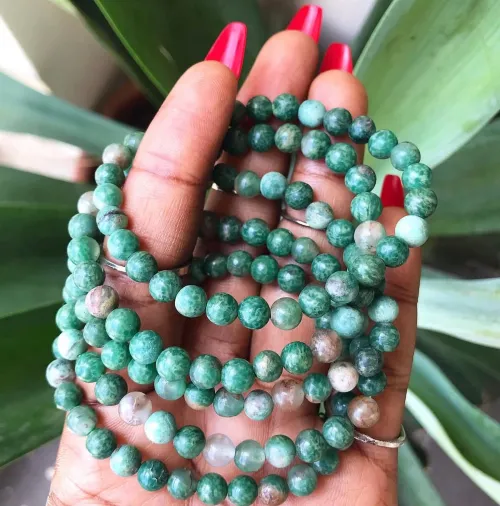
Focus on natural imperfections: uneven color zoning, temperature response under touch, and magnification reveals inclusions.
Natural formations exhibit microscopic flaws absent in synthetics. Experienced collectors often begin examination from macro to micro.
Adopt these observational checks for reliable authenticity judgments:
Unusual colors represent legitimate geological outliers rather than artistic license, but with distinct visual markers.
True blue aventurine occurs mainly in Chile with characteristic iron-gray undertones – saturated cerulean shades often suggest enhancements. Orange-brown types contain visible hematite flakes showing dark speckling. Gray-silver variants get their metallic appearance from layered mica rather than actual metallic inclusions. Peach versions containing pale goethite show subtle gold veils across pink surfaces. A key differentiator? Authentic rare colors remain mostly opaque or translucent rather than transparent. When vendors market vibrant reds without supporting locality data, geological evidence indicates surface treatments.
Ambient lighting shifts apparent colors through refraction angles and surface reflection intensities.
That gem changing from forest green to teal has logical mineral causes. Fuchsite inclusions refract light differently under various wavelengths. Daylight reveals underlying bluish tones in Indian greens while artificial light emphasizes yellow undertones. Blue aventurine often appears navy indoors but reveals steely reflections under direct sun. Moonlight minimizes shimmer effects while halogen bulbs trigger copper-like flashes in brown varieties. Position also matters: store lighting overhead creates flashy highlights whereas diffused table lamps emphasize base saturation. These visual shifts explain why jewelry photography misrepresents stones – they require multi-angle proof before investing.
Use simple thermal, visual, and tactile comparisons to reveal critical physical properties.
You don't need sophisticated tools for practical assessments. Place specimens near window light and slowly rotate – authentic sparkle shifts dynamically around inclusions as light bounces internally. Notice uneven glitter patterns confirming natural crystal structures. When holding samples, quartz maintains a distinct heft compared to plastic/resin or glass fakes. Temperature checks work effectively: press stones against your cheek comparing thermal conductivity against reference minerals. Magnification brings bonus insights – small fractures at drilling sites should follow crystalline structures rather than shatter randomly. Moisture testing provides clues too; water droplets absorb gradually at molecular levels instead of pooling on coated surfaces.
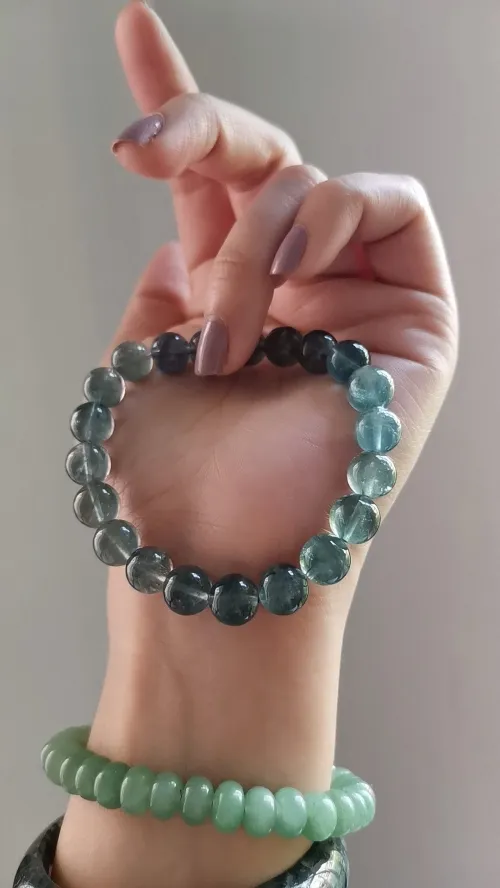
Prioritize stones with observable crystal patterns and request verified lighting photos before purchasing.
Remember that authentic colors remain subtle, never neon-bright. When examining options, look beneath the surface – magnification shouldn't reveal uniform dye patterns around natural cracks. Trust density and temperature response as reliable authenticity indicators. For investment-grade pieces, stones showing multidimensional characteristics like layered color depths offer the strongest provenance. And always verify geographic origins against expected visual traits. These principles help navigate marketing distractions by focusing on verifiable physical properties over subjective appeal.
Q: Can green aventurine naturally show light blue tones?
A: Some Indian varieties may display temporary bluish casts under specific lighting due to fuchsite's refractive properties.
Q: Is color fading possible over decades?
A: Exposure to intense UV radiation may reduce vibrancy, though untreated stones tend to maintain hues.
Q: How does rough material compare to polished versions?
A: Unpolished specimens often appear lighter/muted compared to tumbled pieces where wear reveals deeper saturation.
Q: Are silver aventurine and sunstone identical?
A: No; sunstone contains copper platelets creating different fiery effects whereas silver aventurine owes shine to mica density.
Q: Can chromium levels predict green intensity?
A: Higher chromium concentrations within fuchsite contribute to richer tones although formations vary regionally.


$
