Green aventurine is a quartz mineral with natural sparkle (aventurescence) that ranges from pale mint to forest green; while traditional practices associate it with financial growth and luck, its effects stem from cultural symbolism rather than intrinsic properties, requiring personal intention-setting alongside practical financial strategies.
You're probably here because you stumbled upon a vibrant green aventurine stone during that crystal shop visit last weekend, saw it tagged as a "money magnet" in an influencer's bracelet, or got intrigued by its mentions in discussions about lucky charms for investments. That lingering question—can this sparkly stone actually improve financial luck?—often brings along others: How does it supposedly work? Where do I place it? How do I avoid fake versions? This guide walks through what tradition suggests, what geology indicates, and practical ways to evaluate its potential role in your financial rituals without unrealistic promises.
How does green aventurine traditionally correlate with financial luck?
What mechanisms are thought to connect aventurine with wealth?
Where should I place aventurine for daily money rituals?
How can I spot genuine green aventurine versus synthetic versions?
What historical traditions used aventurine in prosperity practices?
Does weight or size impact aventurine's traditional effectiveness?
How do natural imperfections affect its traditional role?
Green aventurine’s association with luck derives from centuries-old cultural narratives (not measurable causation), where practitioners believed its sparkle mirrored fortuitous opportunities—think spotting a sudden chance during business decisions rather than winning lotteries.
Historical traditions, like Chinese jade symbolism adopted by aventurine users, treat it as a tactile reminder for attracting opportunity through focused action. When sunlight reflects off its natural flecks, it can trigger mind-state shifts—like heightened attentiveness in negotiations—which believers interpret as "luck energy." This isn’t mystical guarantee but suggestive reinforcement: Holding aventurine during planning sessions may support disciplined follow-through. Notice how natural stones with deep color saturation tend to absorb ambient light differently than dyed fakes, potentially increasing visual focus. Geologically, its mica-based sparkle has zero correlation with financial physics—despite claims, it contains no extraordinary elements.
Prosperity traditions attribute aventurine’s functionality to two non-physical concepts: "heart chakra alignment" encouraging generosity and the vibrational "frequency" mimicking growth energy—both unverifiable but psychologically motivating for some users.
The stone's green hues evoke nature symbolism tied to agricultural abundance in ancient systems. Place it near workplace tools as a visual cue to reduce impulsive decisions—say, reviewing stock choices before clicking "buy." Unlike proven wealth-building tools, aventurine's quartz composition has no exceptional conductive properties; the Mohs hardness (6.5-7) means it tolerates handling but can scratch if worn daily against metals. Bluish undertones in some stones might feel calming during financial stress, an emotional response mislabeled as "energy work." Remember: geological analysis shows identical elements in common quartz.
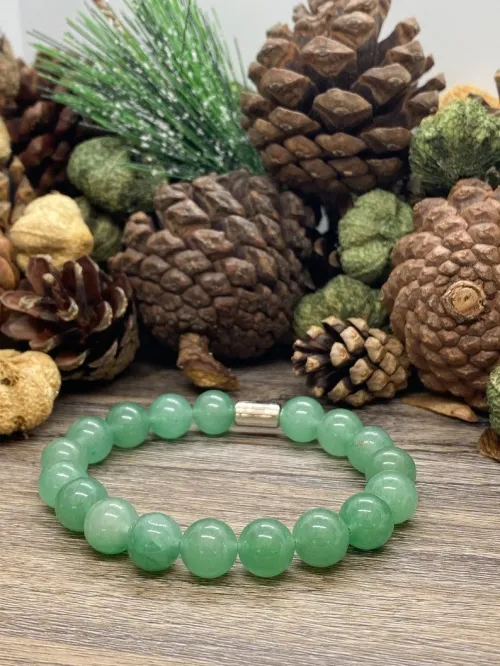
Use this stone as a psychological anchor for wealth habits—keeping a polished piece in your wallet may prompt mindful spending reviews when you touch it during transactions.
Simple applications include positioning stones near financial planners during budget sessions or carrying a pocket tumble stone for high-stakes pitches. Business owners sometimes incorporate large specimens as desktop decision prompts for evaluating risks—turning it in their palm for perspective shifting during negotiations. If practicing Eastern traditions, place it southeast (feng shui’s wealth corner) alongside planning journals, not hidden in drawers. Cleanse dust under lukewarm water monthly—chlorinated pools may damage surface integrity, causing cracks that compromise aesthetics if dropped. Durability makes it suitable for jewelry, but avoid knocks during physical activities where fractures occur.
Genuine green aventurine demonstrates natural imperfections, consistent sparkle depth across mineral veins, and slight coolness retention when held—unlike glass copies.
Counterfeits dominate online markets: dyed quartz lacking aventurescence or synthetic resins with artificial glitter. Apply these field tests to avoid them. Start with the basics using tools you likely own:
Aventurine featured differently across civilizations—Tibetan traditions carved coins while Mediterranean merchants placed it near account ledgers—but rarely as standalone "luck generators."
Eastern practices emphasized its role in "growth energy" cultivation through meditative gardening rituals, not quick-profit schemes. Indian jewelers historically highlighted the sparkle as reflective of prosperous thinking, setting stones on talismans worn during planting seasons. Remember: artifacts discovered rarely claim mystical forces—instead documenting the mineral as an emblem of trade values. The Brazilian mining region’s indigenous traditions treated raw clusters as trade facilitators, not supernatural devices. Unlike modern misinterpretations, combining aventurine with metals like copper focused on practical value storage, not "charging."
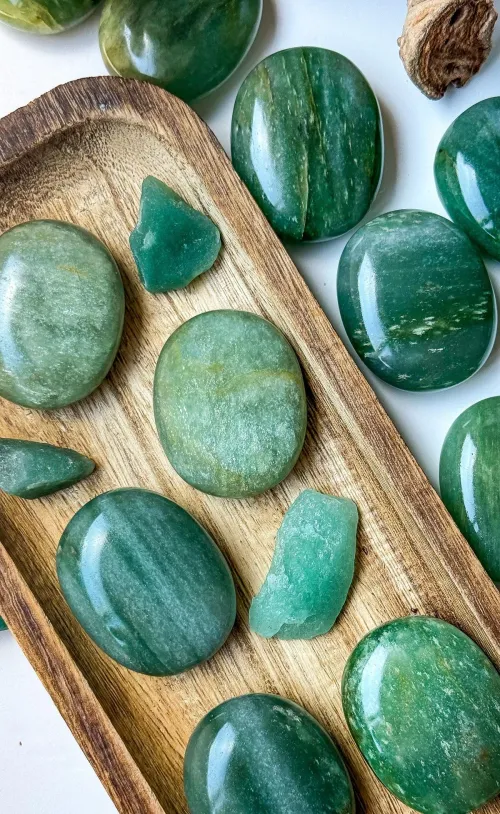
Whether exploring aventurine for symbolic rituals or aesthetic appreciation, focus on ethical sourcing, personal resonance over sizes, and integration with pragmatic financial strategies—not magical solutions.
When selecting, prioritize stones that visually compel you since psychological connection fuels tradition-based applications. Demand vendor transparency about Brazilian versus Russian origins for natural specimens; opaque sellers often deal synthetics. Use 5000K LED lights to expose unnatural dye concentrations—real minerals transition hues across backgrounds. Tiny chips? Cosmetic, not functional flaws. For daily rituals, combine with journaling measurable goals instead of passive placement. Ultimately, aventurine serves as a reminder that financial well-being arises from conscious actions, not inert objects.
Q: Can placing aventurine near electronics impact its traditional functionality?
A: No scientific evidence supports such interference—position it anywhere convenient for your rituals.
Q: How does charging under different lights affect it financially?
A: Sunlight charging serves primarily to cleanse dust; "wealth energizing" remains subjective.
Q: Why might aventurine lose its sparkle over years?
A: Surface scratches dull reflection points—regular gentle cleaning maintains luster.
Q: Does weight influence traditional money benefits?
A: Larger stones serve visibility purposes in rituals but don’t enhance metaphysical properties.


$
