Yes, Capricorns can wear green aventurine, particularly because its grounding properties and mineral composition naturally align with the ambitious yet practical essence of this earth sign – though selecting well-sourced stones and considering specific scenarios often enhances the resonance.
Picture this: You’re scrolling through crystal collections online or browsing artisan jewelry stores, drawn to green aventurine’s tranquil hue. As a Capricorn, you wonder if this stone genuinely suits your driven personality, or whether it’s just another trendy recommendation. After all, the internet overflows with vague spiritual claims that rarely address real-world considerations like office-appropriate styling, detecting synthetic imitations, or timing your usage around high-pressure deadlines. That’s exactly why we’re dissecting this systematically – tackling not only compatibility questions, but identification techniques, scientific properties, and data-backed usage scenarios specifically for Capricorn wearers.
1. Does green aventurine’s energy signature align with Capricorn traits?
2. How chromium inclusions and hardness impact tangible effects
3. Spotting fake vs. natural green aventurine: practical techniques
4. Seasonal timing for wearing during Capricorn’s zodiac cycle
5. Integrating it discreetly into professional style
6. Common pitfalls affecting stone longevity and energy flow
7. Combining it with complementary stones for Capricorn goals
Green aventurine generally resonates with Capricorn’s pragmatic nature through its geological stability and associations with controlled growth. The stone’s quartz-based structure lends it durability while chromium flecks create subtle energy that’s ambitious yet steady – avoiding overly intense vibrations that might overwhelm earth signs.
Capricorns tend to thrive with green minerals because the color spectrum symbolically bridges their disciplined nature with adaptable growth patterns. Scientifically, quartz crystals like aventurine generate piezoelectric effects when compressed, aligning well with Capricorn’s structured routines. That said, effectiveness may vary based on stone quality; stones displaying irregular mineral patterns (indicative of natural formation under pressure) often reinforce Capricorn perseverance more effectively than uniform synthetic versions.
The stone’s tangible interactions arise from geological composition rather than mystical forces. Being a quartz variant with Mohs hardness between 6.5-7, it’s durable enough for daily rings or bracelets without quick erosion. Key effects stem primarily from chromium-rich fuchsite inclusions – mineral layers folded during formation that create light reflections called aventurescence.
Geographically, stones from India often show deeper color saturation while Brazilian samples may have finer sparkle patterns. This isn’t just aesthetic: variations in fuchsite density and alignment can affect how light interacts with the stone surface. Natural green aventurine formed under metamorphic pressure over millennia typically transmits energy differently than lab-grown versions, which often contain artificial glitter additives. At some point, you might observe tiny mineral veils suspended internally under magnification – that’s your clue to a genuine piece.
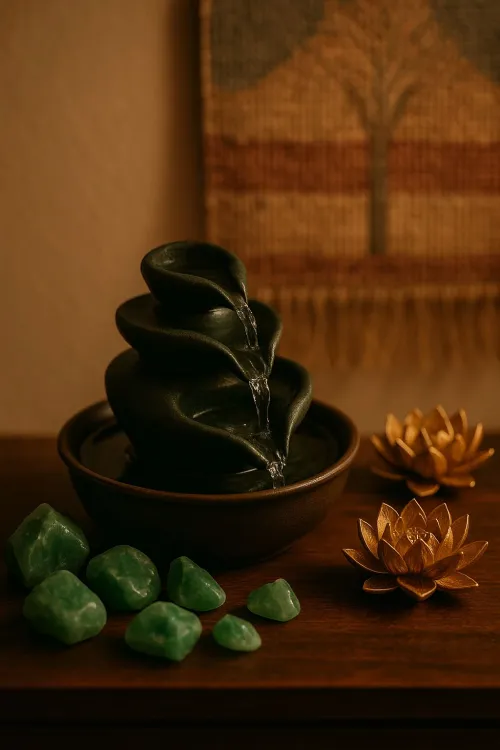
Verifying authenticity requires cross-referencing physical observations since certificates alone can be forged. Focus on inconsistency patterns inherent in natural mineral formation rather than synthetic perfection.
Combine thermal conductivity tests with visual assessments for reliable results:
Pair green aventurine with significant dates within Capricorn’s ruling period (December 22-January 19) when winter solstice energies may amplify grounding effects. But its versatility extends beyond zodiac seasons.
Daily usage patterns matter more than astrological timing charts in most cases. Consider wearing tumbled stones during high-stakes negotiations or decision-heavy days when maintaining calm focus proves challenging. Yet avoid prolonged exposure without breaks – rotating your jewelry weekly minimizes adaptation effects where perceptible sensations may diminish. Some Capricorns report enhanced clarity using aventurine during career transition phases, though pairing it with black tourmaline often builds supportive reinforcement during uncertain stretches.
Choose minimal settings like slim bezel rings or pendant necklaces where the stone touches skin directly but avoids distracting attention. White gold or platinum settings can moderate color intensity for conservative workplaces.
The thing is, Capricorns generally value subtle sophistication. Look for palm-sized tumbled stones in shirt pockets during presentations rather than showy statement pieces. Stones reflecting medium-tone green (neither pale mint nor dark forest) tend to appear more versatile across business attire palettes. Interestingly, well-polished cabochons under 15mm diameter often refract light softer than faceted cuts – making them appear like conventional gemstones rather than spiritual tools during client meetings.
Several overlooked factors degrade aventurine’s integrity despite its durability. Chemical exposure presents the biggest everyday threat.
Chlorine pools or household cleaners can cause permanent surface haze on many quartz varieties – better to remove jewelry beforehand. Porosity concerns also exist with lower-quality stones: sprinkle water droplets and see whether beading occurs or absorption immediately dulls shine. If it’s the latter, sealants might have eroded, increasing vulnerability. Also notice temperature tolerances: keeping aventurine below 300°F prevents cleavage fractures from expanding. That said, properly sourced aventurine serving as daily office jewelry typically lasts decades with basic care.
If you remember just one thing from this guide, make it verification: always inspect stones under magnification for natural inclusion patterns. Beyond that, select medium-toned specimens worn during goal-intensive periods, and rotate pieces weekly to maintain sensitivity to subtle shifts. When career challenges spike, pairing green aventurine with grounding stones like black tourmaline often creates a beneficial counterbalance. Ultimately, effectiveness unfolds through consistent application – monitor physical sensations and visible stone changes to determine what aligns with your personal earth-sign rhythm.
Q: Does green aventurine impact December Capricorns differently than January-born?
A: Not significantly; individual sensitivity matters more than birth week.
Q: How soon may Capricorns expect tangible results?
A: Some notice concentration changes within days; others observe only after 4-6 weeks of mindful usage.
Q: Left wrist or right wrist for bracelets?
A: Traditionally, receptive energy flows through the left side – but prioritize comfort as muscle memory impacts consistency.
Q: Can green aventurine stay overnight?
A: Generally safe, though rotating wear cycles helps prevent sensory adaptation.


$
