Green aventurine, a variant of quartz with shimmering inclusions, works well as jewelry or pocket stones due to reasonable durability. The key involves choosing forms like pendants or beads that match your activity level and clothing fabrics while noting potential fading under sunlight.
You’ve likely scrolled past green aventurine on a jewelry site or spotted it in a store display, drawn by its earthy sparkle but unsure how to actually integrate it into your wardrobe or daily ritual. Maybe you're comparing styles for a wedding versus casual wear, or wondering if that discount-priced stone is genuine—and what that shimmer really means. Beyond just the "how," you probably have a bunch of smaller questions: Will it scratch easily? Is it okay to wear overnight for symbolic reasons? How do you even pronounce it? This guide walks through practical scenarios for different outfits, verifies authenticity cues based on real properties, and explains the cultural traditions—so you can wear it with confidence.
1. How do you style green aventurine for everyday versus formal occasions?
2. What material properties affect long-term comfort and wearability?
3. How do symbolic traditions guide wearing positions and care rituals?
4. How can you spot genuine green aventurine using visual and tactile checks?
5. What body placements optimize visibility and functionality?
6. Does wearing it during sleep impact its condition or effectiveness?
7. How do you clean and maintain the stone with minimal effort?
8. Can alternative carrying methods replace jewelry?
For casual settings, smaller items like tumbled stone pendants work with T-shirts or workwear, while deeper green settings stand out against evening fabrics as bead necklaces. That involves considering size-to-activity ratios to avoid snags on clothes.
The key is matching the aventurine’s form to your movement and outfit texture. In an office or coffee run, tumbled stones in silver pendants might layer well under collared shirts—less likely to catch on sleeves than larger beads. For dinner parties or concerts, chunkier cabochons in gold settings can draw attention over velvet or silk, adding contrast without overwhelming. At some point, check how colors show indoors versus natural light; lighter greens may blend into neutral tops while darker ones pop. Decision tips include starting with smaller pieces for subtle daily flexibility and rounding bracelet edges to prevent snagging during typing or writing. Also, remember quartz can fade in UV light, so store it away after wearing to keep vibrancy intact.
With a hardness of 6.5–7 on the Mohs scale, it withstands minor bumps but may scratch from keys or abrasives, calling for bezel settings in active contexts. Always wipe surfaces gently with damp cloths to sustain the glitter effect.
This quartz variant tends to accumulate nicks if rubbed against hard objects during workouts or chores—think pocket stones colliding with coins. Key facts show it can lose luster under ultrasonic cleaners or prolonged water exposure since inclusions create weak points. Experience signals help: Pay attention to temperature differences; real aventurine often feels cooler than skin for longer than glass fakes. If you notice texture inconsistencies, rough patches could irritate your wrist over time. That said, routine care proves simple: Stick to soft, mild-soap washes and air drying. Decision tips reinforce storing it separately in fabric pouches to avoid friction from other jewelry chains.
While historically tied to luck in Chinese Feng Shui, wearability hinges on personal ritual—place stones near entryways for "prosperity" or wear them as pocket charms without medical or spiritual guarantees. Pronunciation is "a-ven-tur-een," avoiding mystical terms.
The thing is, traditions suggest specific placements—like holding pendants over heart areas during meditation—but no evidence backs luck or healing. Instead, focus on practical actions: Wearing it during sleep doesn’t harm the stone, though tossing could chip it on hard surfaces. Culturally, users often prefer necklaces for attracting "wealth," but this is subjective symbolism, not science. Key facts remind you that long UV exposure can fade colors regardless of intent, so shift rituals to shaded areas if needed. For daily use, decision tips like testing fabric fits first ensure you’re comfy whether dressing for relaxation or an event.
Genuine green aventurine shows uniform sparkle and cooler touch, not the bubble-filled or patchy patterns common in plastic fakes. Use everyday lighting to inspect color distribution and weight discrepancies.
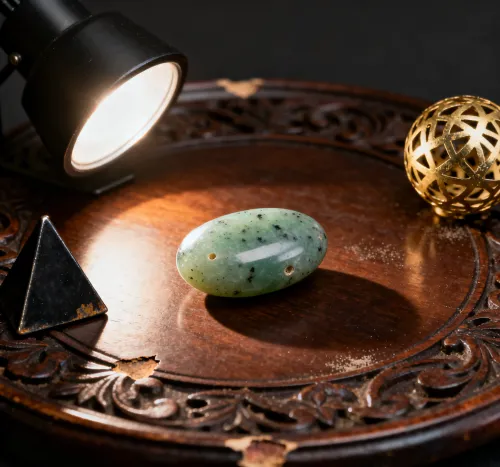
Natural stones display aventurescence—a subtle shimmer from embedded minerals—across pale mint to deep forest shades. Experience signals offer simple checks: Hold it under a lamp and twist slowly; consistent glitter across angles typically implies authenticity, while sudden bluish hints may come from lower-grade sources. Weight clues surface when comparing stones: Plastic substitutes feel unnaturally light. Also, run fingers along the surface to detect graininess—rough textures might scratch skin during long wear.
Use these cues to assess green aventurine on the spot:
Necklaces keep stones visible and symbolically "close," while bracelets or pocket charms suit active days by minimizing skin contact with fabrics. Always test pendant lengths and bracelet fits for ease against clothing.
Placement depends on your intention: If you want discreet symbolism, wire-wrapped pendants near your collarbone pair with open necklines or business attire. For mobility in gym or gardening adventures, tumbled stones in pockets or leather wrist wraps hold better than delicate chains that may snap. Key facts note that settings like protective bezels on rings help for high-movement lifestyles. Experience signals highlight texture differences: Smoother finishes from tumbling make longer wear times more comfortable near bare skin. Decision tips recommend comparing sizes in varied lighting to ensure color doesn’t clash with fabrics—say, dark greens against navy shirts. That said, pocket options are fine alternatives if jewelry feels impractical for hiking or travel.
Focus on pairing stone size to your outfit needs: Compact pendants shine for everyday versatility, and bezel-set rings endure active days. Recall that simple maintenance like damp wiping preserves looks without relying on unseen outcomes.
Green aventurine's appeal comes down to choosing wisely based on lifestyle. If you remember just one thing from this guide, let it be this: Match the form to your movement—prioritize smoother, lighter pieces for busy routines. You might also consider color checks under store lights to avoid surprises later. All along, stick to facts over promises: The stuff works as decoratively as you wear it, and your comfort matters most.
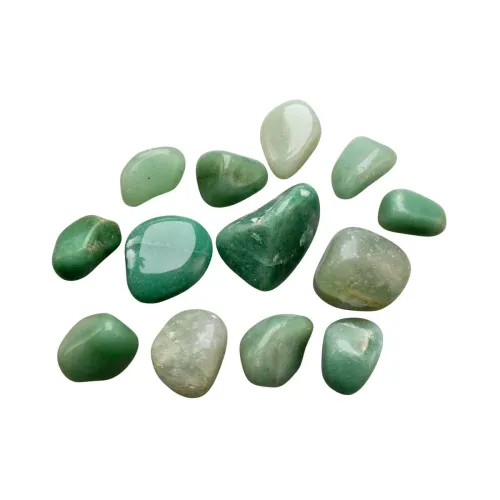
What are alternative ways to carry green aventurine besides jewelry?
Small tumbled stones can slip into pockets or purses as discreet tokens—just avoid water exposure which may weaken adhesives over time.
Can I sleep wearing green aventurine for better rest?
It generally won't harm the stone if it's not bulky, but shifting positions may chip it; there's no proven health effect.
How often should I cleanse green aventurine worn daily?
A weekly wipe with mild soap and water addresses dirt buildup without damaging the inclusions, keeping the natural luster bright.
Why does some aventurine appear bluish instead of pure green?
Light reflections from mineral inclusions can create a bluish tint, but this tends to occur more in lower-quality stones.


$
