You're browsing through crystal shops or online stores when a vibrant necklace catches your eye—green aventurine beads intertwined with deep amethyst points. Suddenly, you wonder: can these stones safely coexist without harming each other or clashing? It's a common moment—whether you're designing jewelry for daily wear, arranging meditation stones for balance, or creating a serene display at home. Beyond initial compatibility, questions like physical risks, color harmony, and even subtle metaphysical concerns might pop up. This guide walks through each angle to give you grounded advice, helping you decide if this pairing suits your real-life scenarios.
1. How their geological properties affect daily use and safety
2. Visual appeal and tips for matching colors in different settings
3. Considerations for perceived energetic interactions
4. Practical ideas for pairing in jewelry, home displays, or meditation
5. Observing subtle wear over time
6. Balancing personal needs in your choices
You can confidently combine green aventurine and amethyst in physical contact since both rank 7 on the Mohs scale, meaning they resist scratches similarly and maintain integrity in everyday handling. This shared trait stems from their quartz-based composition, making them stable under common conditions like light exposure or gentle cleaning. However, micro-abrasions can develop over years with friction, especially in unlined jewelry settings or if stored improperly, due to subtle differences in crystal formation: amethyst forms volcanically while aventurine undergoes metamorphic processes. Using tumbled stones rather than pointed ones lowers pressure risks at contact points—a practical tweak to extend their life.
Over time, subtle shifts can hint at how well your stones hold up. Start by examining them under varying light angles to spot changes. For instance:
These stones pair beautifully for visual impact, with their contrasting colors—green from aventurine's fuchsite mica and purple from amethyst's iron—creating a pleasant balance that complements decor or accessories. Based on color theory, this combo tends to enhance perceived richness in varied lighting, like natural daylight deepening hues against indoor settings. For consistent appearance, prioritize stones with similar finishes; say, matte with matte to avoid visual disconnect. That said, color perception might shift over time—amethyst can fade faster with sun exposure compared to aventurine that tolerates light better—so plan displays accordingly.
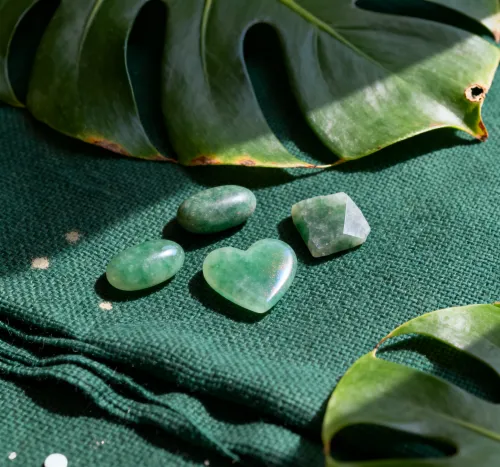
In crystal practices, this combination may harmonize energies for some users, as amethyst often links to crown chakra themes while aventurine connects with heart-focused aspects. Though mineral science doesn't confirm energetic synergy, personal experiences—like meditating with each stone alone versus combined—can reveal how they resonate with you. Look for signals: test identical cleansing methods on individual and paired stones to see if they respond similarly; sun exposure tends to work well due to their shared quartz properties. At some point, note any physical sensations during meditation—such as warmth or calmness—which could reflect your personal reaction rather than inherent traits.
You can integrate these stones effectively into jewelry, home layouts, or meditation with simple tweaks, based on your purpose. For jewelry, cabochon cuts reduce friction when stones touch—say, in bead strands or pendants—while for displays, rotating them monthly prevents uneven fading. Store pieces with fabric spacers to avoid chipping, and test color combinations digitally before committing. If using for meditative balance, assemble pairings near east-facing windows; amethyst may fade with too much sun, but aventurine benefits from indirect light—making it a functional hack for longevity.
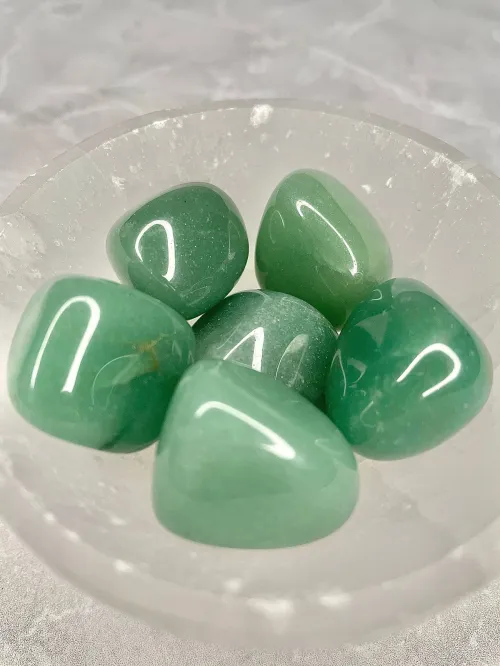
Keep these core tips in mind for successful combinations: choose cabochon cuts to minimize friction in direct contact and opt for stones with matching finishes to maintain visual flow. Rotate or reposition them every few weeks to ensure even wear—especially in jewelry—and when planning pairings, snap photos under different lights to gauge color compatibility instantly. Remember, your needs—like budget or usage frequency—should guide the final decision, so focus on observing those subtle cues and adapting.
Q: Does storing green aventurine with amethyst drain their energy?
A: Mineralogical stability suggests they won't affect each other physically, but personal perceptions may vary—you can test separate and shared storage to see differences.
Q: Can I shower with aventurine and amethyst jewelry?
A: Both stones handle mild cleansers well due to shared quartz properties, though frequent water exposure may weaken settings over years; inspect mounts periodically.
Q: Are darker amethysts better for pairing with light green stones?
A: Color contrast tends to work across shades, but try different backings or lighting to find what pleases your eye—darker amethysts can offset light aventurine for balance.


$
